Melt Cheese Like a Pro: Key Factors for Gooey, Creamy Textures
The allure of perfectly melted cheese is undeniable. Whether cascading over a crispy nacho, bubbling on a classic pizza, or forming the silken foundation of a mac and cheese sauce, that gooey, creamy texture elevates countless dishes from ordinary to extraordinary. But achieving that ideal melt isn't always as simple as just adding heat. It's an art and a science, a delicate balance of factors that can make or break your culinary creation. If you've ever wondered
how to melt cheese like a seasoned chef, achieving consistently smooth, luscious results without oiliness or clumping, you're in the right place. This comprehensive guide will unveil the key factors and expert techniques to transform you into a cheese-melting master.
The Culinary Chemistry: Understanding How Cheese Melts
At its core, the process of melting cheese is a fascinating molecular transformation. As cheese encounters heat, its intricate structure undergoes a crucial change: the delicate bonds holding its proteins and fats together begin to relax. The solid fat molecules within the cheese transition into a liquid state, separating from the protein matrix. This essential process, often referred to as "gelation" in a broader culinary context, is what allows cheese to transform from a firm solid into a luscious, flowing liquid with its signature gooey consistency.
Several factors dictate this transformation, notably the type of cheese, the temperature applied, and the duration of heating. Every cheese possesses a unique "melting point," which is the specific temperature at which it begins to soften and flow. For instance, high-moisture, lower-acid cheeses like Mozzarella and Monterey Jack have relatively low melting points, often softening around 120°F (49°C). In contrast, more aged, drier, or higher-acid cheeses such as Cheddar, Parmesan, and Gruyère require higher temperatures, typically upwards of 140°F (60°C), to fully melt. Understanding these nuances is fundamental to mastering the perfect melt. For a deeper dive into the scientific principles, explore
The Science of Melt: Best Cheeses & Temperatures for Perfect Results.
Choosing Your Champion: The Best Cheeses for a Perfect Melt
Not all cheeses are created equal when it comes to melting. The success of your gooey creation begins with selecting the right cheese, as their individual compositions of fat, moisture, and protein significantly impact their melting behavior.
Here are some of the stars of the melting world, and why they excel:
- Mozzarella: A true melting champion, especially fresh mozzarella, known for its incredible stretch and mild flavor. Its high moisture and moderate fat content contribute to its characteristic gooeyness at a low melting point of around 120°F (49°C).
- Monterey Jack: Another fantastic option with a low melting point (approx. 120°F / 49°C). It offers a creamy, mild flavor and a smooth, even melt, making it perfect for quesadillas or grilled cheese.
- Cheddar: A versatile favorite. While younger, milder cheddars melt beautifully around 140°F (60°C), older, sharper varieties, with less moisture and more developed protein structures, may become slightly oilier or grainier when melted.
- Gruyère: A European classic renowned for its nutty flavor and excellent melting capabilities, particularly in fondues or gratins. It melts smoothly at about 140°F (60°C).
- Provolone: Similar to mozzarella in its melting properties, offering a slightly sharper flavor and great stretch.
- Fontina: Known for its rich, buttery flavor and incredibly smooth, stretchy melt.
Conversely, some cheeses are less ideal for melting into a smooth, liquid state. Cheeses like feta, halloumi, and paneer have high protein content and/or low fat that cause them to soften, brown, or hold their shape rather than fully liquefy. Aged, crumbly cheeses like Parmesan, while contributing immense flavor, will often become oily or slightly grainy when heated alone, rather than forming a cohesive, stretchy melt. Be mindful too of pre-shredded cheeses, which often contain anti-caking agents like cellulose. While convenient, these agents can sometimes hinder a perfectly smooth, uniform melt, making freshly grated cheese the preferred choice for truly professional results.
Mastering the Heat: Temperatures and Techniques
The "how" of melting cheese largely hinges on controlled heat and patience. Rushing the process or applying too much heat too quickly is a common pitfall that can lead to an oily, clumpy, or rubbery mess. The goal is to gently bring the cheese to its melting point, allowing its molecular structure to relax into that desired gooey state.
Here are the primary methods for melting cheese, along with crucial temperature guidelines:
Melting Cheese in the Oven
This method is ideal for dishes where you want an even layer of melted cheese, like on casseroles, pizzas, gratins, or baked pasta.
- Temperature Range: While the cheese itself melts between 120°F-140°F (49°C-60°C), the oven temperature needs to be higher to heat the dish and penetrate the cheese effectively. For a quick, bubbly, and slightly browned top, aim for 375-400°F (190-200°C) for a short period (5-15 minutes). For a slower, gentler melt, especially for thicker layers or more delicate cheeses, 250-300°F (120-150°C) for 15-30 minutes works well.
- Technique: Place your dish in a preheated oven. Keep a close eye on it; once the cheese is bubbly and golden to your liking, remove it. Avoid leaving it in too long, as this can cause the cheese to separate, becoming oily and tough. For comprehensive strategies on this method, be sure to read Master Melting Cheese in the Oven: Techniques for Creamy Dishes.
Melting Cheese on the Stovetop
Perfect for cheese sauces, fondues, or adding cheese to skillet dishes.
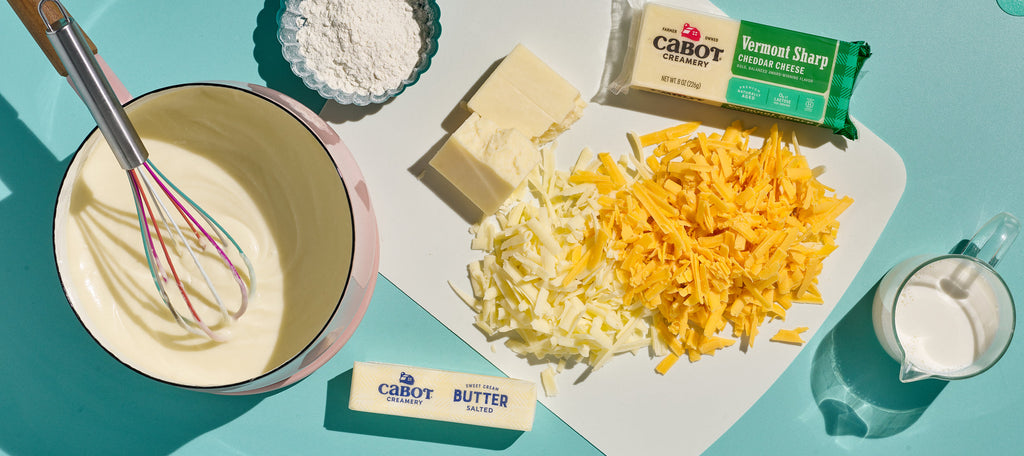
- Method: Direct Low Heat: Use a heavy-bottomed saucepan over low to medium-low heat. Add grated cheese gradually, stirring constantly. Incorporating a liquid (milk, cream, beer, wine, or even a touch of water) at the beginning can greatly aid in creating a smooth, emulsified sauce. This is key for sauces like for mac and cheese.
- Method: Double Boiler: For the most delicate cheeses or when absolute control is paramount, a double boiler is your best friend. Place a heat-proof bowl over a saucepan of simmering water (ensure the bowl doesn't touch the water). The gentle, indirect steam heat melts the cheese slowly and evenly, preventing scorching and separation.
Melting Cheese in the Microwave
Best for small quantities or quick melts for sandwiches.
- Technique: Place grated cheese in a microwave-safe bowl. Heat in short bursts (15-30 seconds), stirring well between each interval. Continue until just melted. Microwaves can heat unevenly and quickly, so constant vigilance is crucial to prevent overheating and a rubbery outcome.
Regardless of the method, remember that the "time" component is just as critical as temperature. Overheating, even by a minute or two, can transform gooey goodness into a greasy, unappetizing mess.
Pro Tips for Achieving Gooey Perfection
Beyond selecting the right cheese and controlling the heat, a few expert tricks can elevate your melting game:
- Grate Your Cheese Finely: Smaller pieces expose more surface area to the heat, allowing the cheese to melt faster and more evenly. This reduces the risk of some pieces burning while others remain solid.
- Bring Cheese to Room Temperature: Cold cheese takes longer to melt and can "shock" when introduced to heat, sometimes leading to a less smooth texture. Letting it sit out for 15-30 minutes before melting can promote a more uniform process.
- Introduce a Liquid: For cheese sauces, incorporating a liquid like milk, cream, beer, or white wine is transformative. It helps create a stable emulsion, preventing the fat from separating and ensuring a velvety, smooth consistency. A tablespoon of cornstarch or flour (roux) can also help stabilize and thicken the sauce.
- Add Acid (Judiciously): A touch of acid, such as lemon juice, dry mustard, or white wine, can actually help prevent cheese proteins from clumping in sauces, promoting a smoother melt. Add it early in the sauce-making process.
- Stir Constantly (for stovetop): When melting cheese directly on the stovetop, continuous stirring ensures even heat distribution and prevents the bottom from scorching, which can ruin the flavor and texture.
- Avoid Direct High Heat: This is arguably the most important rule. High heat rapidly expels fat and moisture from the cheese, leading to an oily, stringy, and ultimately tough result. Low and slow is always the mantra for perfect melted cheese.
- Consider the Age of the Cheese: Younger cheeses (like young cheddar or fresh mozzarella) typically have higher moisture content and melt more smoothly than aged, drier cheeses (like aged Parmesan), which can become grainy or oily.
Ultimately, learning
how to melt cheese effectively is about understanding its fundamental properties and respecting the delicate balance required. By selecting the right cheese, meticulously controlling temperature and time, and applying these pro tips, you'll consistently achieve that coveted gooey, creamy texture that elevates any dish. Experiment with different cheeses and techniques to discover your personal favorites, and enjoy the delicious results of your newfound melting mastery!